Though we have much to write to update you all on our recent travels, this particular moment in time is one that seems more important to capture than a travel update. I'm sitting here oceans away from my own country listening to Obama's acceptance speech. When the results came in and I realized that we were going to have a very different president come January, I actually found myself feeling surprisingly emotional. For the first time in a very long time I felt a sense of hope for the future. When I think of all the innovation and inclusiveness of the Obama campaign, it leaves me optimistic that a brighter future lies ahead.
As we have been guests in another country for the last month we have become increasingly aware of how our country is viewed by others around the world - and it isn't very pretty. Today, I feel like the world is watching with hope that things can and will change. I hope to return to the states and join the millions who voted for the first time ever or who at least cared about an election for the first time in years and do my part to make that a reality. It's not just about Obama after all, its about each and every one of us. I don't know what that will mean for me yet, but it is indeed time for a change.
Wednesday, November 5, 2008

Tuesday, October 21, 2008
Adventures Await Us
We've got quite a bit of travel coming up, so thought I'd foreshadow those adventures here to lure you back once we have returned!
We leave tomorrow for a long weekend in Davao City on Mindanao. Mindanao is the island where much of the fighting between ethnic groups is occurring. Though Davao City is quite safe, the island in general is perhaps a bit riskier for us Americans than other stops. Our friend Gina is heading there for work so it was a good chance for us to tag along with her and minimize any safety risks. The Philippine Eagle Foundation is based just outside of Davao so our visit will give Hans a chance to spend some time on-site at the foundation as related to his sabbatical pursuits.
When we return, it is "mid semester break" at UP, so we're taking advantage of the down time for Hans, and packing our bags for a family adventure. For this trip, we are heading to Mindoro, a lesser developed island just south of Luzon. This trip will involve a bus ride to the southern tip of Luzon, a fast ferry across the waters there, another bus ride along the dirt roads on the west coast of Mindoro, and another small boat trip out to our final destination - Pandan Island Resort. For those of you who read Hans' earlier posts about "resorts", you'll know that this is not the Four Seasons! It's a very simple place, limited water and electricity, open air nipa huts - but fantastic beaches and coral reefs. We may actually learn to scuba dive while we are there so we can get up close and personal with these reefs we are visiting.
So, we may be out of touch for a while, but we will have much to report when we return. In the meantime, read our other posts and send us a comment or two!
Monday, October 20, 2008
Sunday, October 19, 2008
Boracay: Beware the windless days!
Several blogs have been added below, so be sure you don't miss any!
Boracay was definitely fun. On the flight there, I enjoyed pointing out to Jordan Taal as we flew over, and other islands we flew by. We flew in a prop plane, which Jo Jo always likes.
Getting to the hotel from the Caticlan airport involves getting to the shore where you then hop on a little boat across the short distance to the island, then into a hotel van to as close to the beach as possible, then a walk to the hotel. It turned out to be relatively easy because it had all been arranged for us, so all we had to do is follow people. I must say I got more and more excited as we neared the island on the little boat, and as we neared the hotel! I've posted some pictures of our first day.
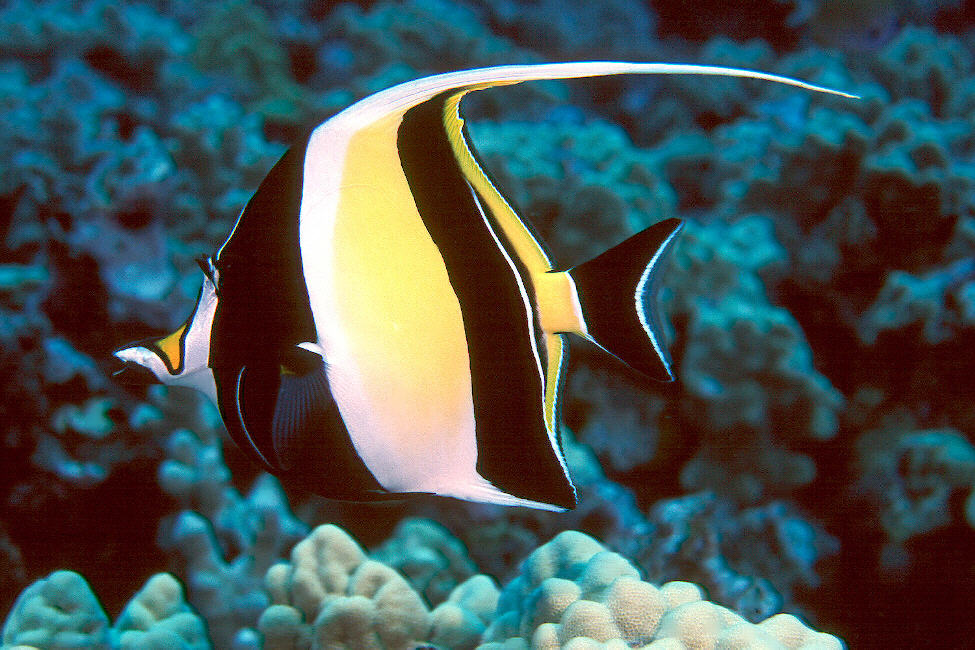
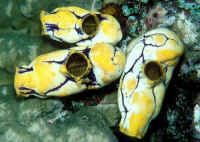
 The highlight for me was getting to snorkel again, after having last done it in Maui a few years back. Actually, the highlight was sharing the experience of snorkeling with Jo Jo. He really enjoyed it--I bet he will blog about it, so be sure to visit his blog! There were lots of colorful fish, although almost all were smaller than what we saw in Hawai’i. Having a huge crowd of them feeding out of your hand in a riot of color was really cool, especially when they started nibbling on the bread right next to your fingers! We also saw a few clown fish, some boxfish (though not that species in the link), some fish on the bottom that were perhaps gobys, and some angel fish (maybe they were moorish idols these), a flutefish, and some very cool tunicates. Jo Jo and I also saw an amazing sea cucumber--it was around 7 feet long! Its front end looked like this and the rest of it snaked around rocks. It was cool to watch it feed, slowly stuffing sand into its mouth with its tentacles (they ingest sand and digest organic material, then poop out the sand). I'd have to say that the corals were a bit disappointing. They were not very bright--in fact, Carolyn and I wonder whether most of them were dead. However, there definitely were some bright colorful ones.
The weather helped keep it not as hot as it could have been, because clouds helped keep the sun from beating down on us a lot; it even rained a bit. But it was never too cloudy.
We did have one "adventure". We had taken a small sailboat outrigger around the island to snorkel at one place, and that took 3 hours (“a 3 hour cruise”!), so we agreed to take the boat out again the next day to visit more islands and spend a lot more time snorkeling. We agreed with the boatmen that 5 hours would be good, which would mean a total of about 2 hours of snorkeling. Great! Well, as you have probably guessed from the title of this blog, it didn’t work out that way. With no wind and a lot of paddling on the part of the 3 crewmen, we got back after NINE hours on the boat. I think we spent no more than an hour and three-quarters of that actually in the water! We got back after sunset!
 ACK!! While it was relaxing and all, and we got to see a great sunset while out on the sea, that is just too long to stay on a boat—especially when we were expecting to spend only 5 hours! Plus, we had to haggle with the boatmen about how much to spend. We felt sorry for all that paddling the crewmen had to do (who by the way were very friendly), so we compromised on the price, but we also feel that they are experienced enough to know what the weather will be like and advise us before we get on the boat so that adjustments can be made. The lesson is that you should agree before-hand how much less you should pay each hour over it takes, unless you are the ones who take longer (like by wanting to snorkel more).
One cool thing is that we saw a sea snake! It passed right between the hull and the outrigger, right under us (you sit on netting between the hull and outrigger)!


In an earlier post (you've read it already, right?), Carolyn talked about the poverty on the island. I have to agree about the feeling of being overwhelmed by it—really, by the juxtaposition of poverty and wealth. One thing I noticed is that the people that were doing the actual begging were the native islanders, the Ati. They are a Negrito people, considered likely the first inhabitants of the Philippine archipelago. As “Negrito” implies, they are very dark skinned, even for the Philippines. They have been pushed out of their ancestral lands. So I interpret the fact that all the beggars were Ati as discrimination.
Boracay was definitely fun. On the flight there, I enjoyed pointing out to Jordan Taal as we flew over, and other islands we flew by. We flew in a prop plane, which Jo Jo always likes.
Getting to the hotel from the Caticlan airport involves getting to the shore where you then hop on a little boat across the short distance to the island, then into a hotel van to as close to the beach as possible, then a walk to the hotel. It turned out to be relatively easy because it had all been arranged for us, so all we had to do is follow people. I must say I got more and more excited as we neared the island on the little boat, and as we neared the hotel! I've posted some pictures of our first day.
 The highlight for me was getting to snorkel again, after having last done it in Maui a few years back. Actually, the highlight was sharing the experience of snorkeling with Jo Jo. He really enjoyed it--I bet he will blog about it, so be sure to visit his blog! There were lots of colorful fish, although almost all were smaller than what we saw in Hawai’i. Having a huge crowd of them feeding out of your hand in a riot of color was really cool, especially when they started nibbling on the bread right next to your fingers! We also saw a few clown fish, some boxfish (though not that species in the link), some fish on the bottom that were perhaps gobys, and some angel fish (maybe they were moorish idols these), a flutefish, and some very cool tunicates. Jo Jo and I also saw an amazing sea cucumber--it was around 7 feet long! Its front end looked like this and the rest of it snaked around rocks. It was cool to watch it feed, slowly stuffing sand into its mouth with its tentacles (they ingest sand and digest organic material, then poop out the sand). I'd have to say that the corals were a bit disappointing. They were not very bright--in fact, Carolyn and I wonder whether most of them were dead. However, there definitely were some bright colorful ones.
The weather helped keep it not as hot as it could have been, because clouds helped keep the sun from beating down on us a lot; it even rained a bit. But it was never too cloudy.
We did have one "adventure". We had taken
 a small sailboat outrigger around the island to snorkel at one place, and that took 3 hours (“a 3 hour cruise”!), so we agreed to take the boat out again the next day to visit more islands and spend a lot more time snorkeling. We agreed with the boatmen that 5 hours would be good, which would mean a total of about 2 hours of snorkeling. Great! Well, as you have probably guessed from the title of this blog, it didn’t work out that way. With no wind and a lot of paddling on the part of the 3 crewmen, we got back after NINE hours on the boat. I think we spent no more than an hour and three-quarters of that actually in the water! We got back after sunset!
 ACK!! While it was relaxing and all, and we got to see a great sunset while out on the sea, that is just too long to stay on a boat—especially when we were expecting to spend only 5 hours! Plus, we had to haggle with the boatmen about how much to spend. We felt sorry for all that paddling the crewmen had to do (who by the way were very friendly), so we compromised on the price, but we also feel that they are experienced enough to know what the weather will be like and advise us before we get on the boat so that adjustments can be made. The lesson is that you should agree before-hand how much less you should pay each hour over it takes, unless you are the ones who take longer (like by wanting to snorkel more).
One cool thing is that we saw a sea snake! It passed right between the hull and the outrigger, right under us (you sit on netting between the hull and outrigger)!


In an earlier post (you've read it already, right?), Carolyn talked about the poverty on the island. I have to agree about the feeling of being overwhelmed by it—really, by the juxtaposition of poverty and wealth. One thing I noticed is that the people that were doing the actual begging were the native islanders, the Ati. They are a Negrito people, considered likely the first inhabitants of the Philippine archipelago. As “Negrito” implies, they are very dark skinned, even for the Philippines. They have been pushed out of their ancestral lands. So I interpret the fact that all the beggars were Ati as discrimination.
Negros Update
The dates for the Negros trip have been postponed because the road is not finished. Possible dates are now Dec 28-Jan 3. I’m cautiously optimistic, but also a bit disappointed it's not sooner. It would be nice not to miss New Year’s. It’s supposed to be a big shebang here.
Short Lesson in Taal Geology
I promised a lesson in the geology of Taal volcano, so here it is. I’ve gathered this from sources on the web. Originally it was a massive peak about 18,000 ft tall (almost 5 and a half kilometers). Tagaytay would have been only about 0ne sixth up the slope. To give you perspective, Mt. Mayon, another famous Philippine volcano, is less than half that high. And it would be another 4000 ft taller than Mt. Rainier!! It is thought to have built up about 140,000 years ago. Then, in a series of eruptions from about 27,000 to 5,000 years ago, the mountain blew itself up and collapsed, forming the large caldera that is now filled with Lake Taal. Subsequent eruptions produced several underwater cones as well as Taal Volcano Island.
My mom, who has never been to the island, tells a story of swimming in Lake Taal and realizing only later that the lake was acidic because her skin turned black. That must have been after an eruption. I'm not sure how old she was then.
As you know, it is still active. The most active vents that we could see were issuing steam, and they are located along the side of the lake that is overlooked by the viewing area. I think it is very interesting that steam and heat makes its way all the way to the very rim of the cater. I think it also suggests that that side is the most vulnerable—I could imagine a scene from a disaster movie in which an earthquake causes the viewing area to slide into the crater, carrying tourists with it!
Here is a very nice picture showing the layers built up. It is hard to see but there is steam and hot air coming from the cliff face just below Jo Jo and me.

 This picture give you a little more perspective as to scale. If you click on the slide show of our visit on the right, you can find other pictures of venting.
Saturday, October 18, 2008
Beaches of Boracay
For all of our previous trips we did a fair amount of research on the sites, the history, and the culture in preparation for our journey. For our trip to Boracay, we wrestled with the burning question of just how many swim suits to pack… that’s about as deep as our research went!
Boracay was an outing that was really just about landing at a resort, enjoying some sand, sun, and surf, and little else. We got our first taste of the renowned “white sand” beaches and enjoyed time in the very warm waters. Jordan got his first taste of snorkeling in tropical waters, which he thoroughly enjoyed. We all got our first taste of skimboarding, which was a great family activity. We all have matching bumps and bruises on our knees from our less than successful first attempts (pictures forthcoming...of our skimboarding, not our bumps and bruises!). Without a doubt, Jordan is by far the superior skimboarder in the family. He is anxious for our next beach trip and a chance to get back on the board.
Despite the beautiful beaches, warm waters, and spectacular fishes and corals, Boracay has its detractions. It has become heavily developed and is now lined with resorts and shops. It also has a very high density of peddlers selling just about everything and anything. “Manicure, ma’am”, “Sunglasses, ma’am”, “Pearls, ma’am..I’ll give you discount”. Watches, massage, island hopping, magnetic rocks, parasailing, jet skiing. There was literally someone – no, make that several someones – at every turn offering to sell you something and everyone assured you they would give you a good discount. It was overwhelming at times.
What struck me the most was a conversation we had with an 8 year old boy on our last night on the island. We were having dinner at a table on the beach and he and another boy were walking nearby and paused to talk with us. He was very articulate with an easy smile – charming really. He asked us how old Jordan was and we told him, nine years old. He asked if Jordan would stand up and so Jordan did. Both this boy and his friend just started giggling uncontrollably. “He is so BIG” they said. “Why is he only 9? He’s too big”. Jordan was of course a good head taller than the other boy who we learned was 12 and they just found Jordan’s sheer size to be very funny.
That was a memorable moment, but the subsequent conversation was perhaps more poignant. Of course these charming young boys weren’t talking with us just because we looked interesting; they too, were selling something. They had these sets of magnetic rocks – when you throw them in the air they rattle against one another and make a distinctive noise. They wanted us to buy a set for Jordan. As we talked more we learned that there is quite a system to try and regulate the number of peddlers for all these different items and services. To be eligible to sell these magnetic rocks you have to be between the age of 6-14. The boy said they don’t let 5 years olds sell them because they are too young - they might put the rocks in their mouth and swallow them, so it would be dangerous. According to this boy, they go to school during the day, then at night they come out and wander up and down the sand trying to sell rocks to earn money for themsleves and their families.
Now to be fair, I haven’t verified my source here – he was just an 8 year old boy – so maybe this isn’t true at all. But the story struck me none the less. To imagine that they have a system set up for these children to be a part of the local sales force was something I hadn’t considered. Rather than be home with his family, doing school work, or just playing, he is spending his evenings selling rocks – hoping to get 50 pesos a pair (of course the bidding starts out higher). It is quite clear that in Boracay, as in many places we have seen, there is no shortage of poverty, so who can fault these children or their families for trying to earn money. At the same time, it seems like that path offers little hope for ever escaping the poverty they are combating. How many rocks, or sunglasses, or watches, or whatever would you have to sell to actually improve your lot in life? How many items would I need to buy to really help them? Or does it help at all? In the short run…maybe. In the long run…perhaps not.
What is a person to do? What is the world to do?
I have no answers, but being here in the Philippines - more than suburban Edmonds - is certainly pushing us to think more deeply about these issues and our role in them.
Subscribe to:
Posts (Atom)